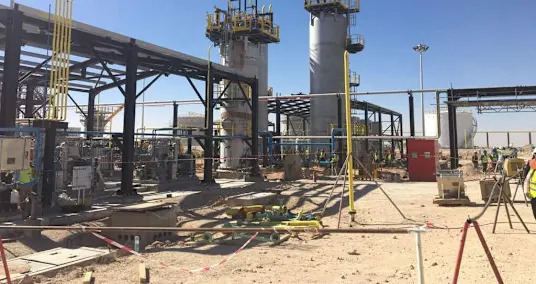
Africa’s energy producers are emerging as unexpected long-term beneficiaries of the Middle East conflict, according to oil analysts.
Angola, Mozambique, and Nigeria are among nations increasingly viewed by European and Asian buyers as lower-risk alternatives to disrupted supplies: With the Strait of Hormuz and Red Sea now high-risk routes, African volumes carry lower insurance premiums and more predictable delivery times — structural advantages that could reshape long-term supply contracts.
Africa’s liquefied natural gas sector stands to gain most; export capacity is projected to more than double by 2040, according to the African Energy Chamber. The crisis could also accelerate long-delayed projects, including the Trans-Saharan pipeline designed to carry Nigerian gas through Niger and Algeria to Europe, which has been beset by safety and security concerns in the Sahel region.
Horizon Engage risk analyst Clementine Wallop warned, however, that while Africa was a “logical place to look,” the risks some of these projects have faced — security, political, or logistical in nature — “show that this is not a quick fix.”
Potential gains for producer nations are nevertheless cold comfort for millions of ordinary Africans: The conflict has sent Brent crude surging more than 50% to around $110 a barrel, and since most African countries are net importers of refined oil products, the price shock has been swift and severe.

LATEST POSTS





 The most effective method to Apply Antiquated Ways of thinking in Current Brain science Practices
- Paul Feig loves a plot twist. Why not reboot 'Die Hard' starring a woman?
- 'Not the moon that I'm used to seeing': Artemis II astronauts describe seeing the far side
- Feeling wonder every day improves our health. Here’s how to do it.
- Health Rounds: Regeneron drug wipes out residual multiple myeloma cells in small trial
- Find Your Ideal Tea: Six Particular Assortments
- JFK's granddaughter Tatiana Schlossberg reveals terminal cancer diagnosis
- 5 Home Improvement Styles: Decision in favor of Your #1
- Apollo's impatient old-timers are rooting for NASA's return to the moon with Artemis II launch